
Maintaining good oral health involves more than brushing twice a day and using dental floss regularly. Although daily oral hygiene practices are essential for keeping teeth and gums healthy, certain deposits can accumulate in areas that are difficult to clean effectively at home. Over time, these deposits may contribute to gum inflammation, bad breath and other dental problems.
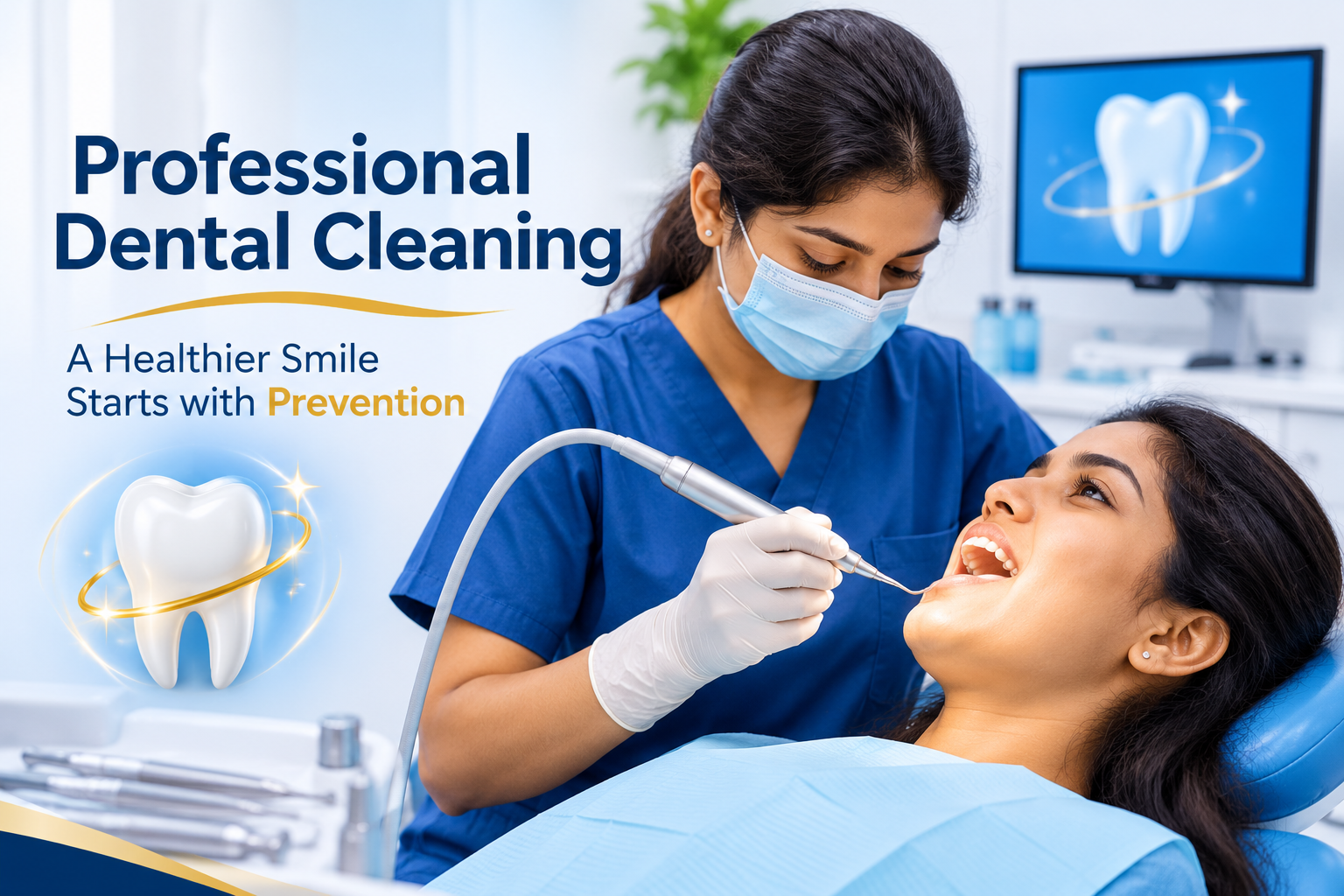
Professional dental cleaning is an important part of preventive dentistry. It involves the removal of plaque, hardened deposits and surface stains using appropriate dental instruments and techniques. The procedure helps maintain oral cleanliness and allows dental professionals to assess the condition of the teeth and gums.
Understanding how professional dental cleaning works, why it is necessary and how it supports long-term oral health can help individuals develop better dental care habits.
What Is Professional Dental Cleaning?
Professional dental cleaning is a preventive dental procedure performed by a qualified dental professional to remove accumulated plaque, tartar and certain surface stains from the teeth.
Even with consistent brushing and flossing, plaque can remain in difficult-to-reach areas, particularly along the gumline and between the teeth. If it is not removed, it can gradually harden into tartar, also known as calculus.
Unlike soft plaque, tartar cannot be removed effectively through ordinary brushing. It requires professional removal using specialised dental instruments.
Depending on the patient's oral health condition, professional cleaning may involve scaling, polishing and additional preventive advice.
The procedure is generally recommended as part of routine dental care, although the frequency should be determined according to individual needs.
Understanding Plaque and Tartar Formation
Plaque and tartar are two important factors associated with several common dental problems.
What Is Dental Plaque?
Dental plaque is a soft, sticky film of bacteria that continuously develops on the surfaces of teeth. It forms when bacteria in the mouth interact with food particles and substances naturally present in saliva.
Plaque can accumulate around the gumline, between teeth and on the chewing surfaces of molars.
If it is not removed regularly, plaque bacteria can contribute to tooth decay and gum inflammation.
Common areas where plaque accumulates include:
Along the edges of the gums.
Between closely positioned teeth.
Around dental fillings and crowns.
Near the back teeth.
Around orthodontic appliances.
Brushing with fluoride toothpaste and cleaning between the teeth help control plaque formation.
What Is Tartar?
When plaque remains on the teeth for an extended period, minerals in saliva can cause it to harden. This hardened deposit is called tartar or dental calculus.
Tartar may appear yellowish, brown or darker depending on its location and the presence of stains.
It commonly develops near the gumline and can provide an uneven surface where additional plaque accumulates.
Once tartar has formed, brushing and flossing alone cannot remove it. Professional dental cleaning is necessary to remove these hardened deposits safely.
Why Is Professional Dental Cleaning Important?
Professional dental cleaning supports preventive oral healthcare by addressing deposits that may not be removed through routine home care.
1. Helps Reduce Plaque and Tartar Accumulation
One of the primary purposes of professional cleaning is to remove plaque and hardened deposits from tooth surfaces.
Regular removal helps reduce the bacterial buildup associated with tooth decay and gum inflammation.
2. Supports Healthy Gums
Plaque accumulation near the gumline can irritate gum tissues and contribute to gingivitis, an early stage of gum disease.
Professional cleaning helps remove deposits that contribute to this irritation. It is also an opportunity to assess gum health and identify signs that may require further evaluation.
3. Helps Manage Certain Causes of Bad Breath
Persistent bad breath, also known as halitosis, may be associated with bacterial buildup, gum disease, food debris or other oral conditions.
Removing accumulated deposits can help address some oral causes of unpleasant breath.
However, bad breath may also result from dry mouth, certain medical conditions, medications or other factors. Professional evaluation may be necessary when the problem continues.
4. Helps Maintain Cleaner Tooth Surfaces
Surface stains can develop due to tea, coffee, tobacco and certain foods.
Professional cleaning may remove some external stains and improve the appearance of the teeth. However, it does not change the natural colour of the tooth or replace professional teeth whitening when whitening is required.
5. Supports Early Identification of Dental Problems
Routine cleaning appointments also provide an opportunity to examine the teeth and gums.
A dental professional may identify early signs of cavities, gum inflammation, damaged restorations or other concerns that require attention.
Early assessment can help prevent some dental conditions from progressing.
Understanding the Professional Dental Cleaning Process
The exact cleaning procedure may vary depending on the amount of plaque and tartar present and the patient's overall oral health.
Common stages include the following.
Step 1: Initial Oral Examination
Before cleaning begins, the dental professional examines the teeth and gums.
The assessment may include checking for plaque, tartar, gum inflammation, bleeding, tooth decay and other visible concerns.
In certain cases, dental X-rays or additional periodontal assessments may be recommended.
Step 2: Scaling
Scaling is the process of removing plaque and hardened tartar from the tooth surfaces.
Dental professionals may use ultrasonic instruments, hand scalers or a combination of techniques.
Ultrasonic instruments use vibrations and water irrigation to help dislodge deposits. Hand instruments allow careful removal of deposits from specific areas.
The technique selected depends on the location and amount of tartar and the patient's clinical condition.
Step 3: Polishing
After scaling, polishing may be performed to remove certain external stains and smooth the tooth surfaces.
A specialised polishing instrument and suitable polishing material are used.
Polishing is not always necessary for every patient, and its use depends on the clinical situation and the dental professional's assessment.
Step 4: Flossing and Final Assessment
The spaces between the teeth may be cleaned using dental floss or appropriate interdental cleaning methods.
The dental professional then checks the cleaned surfaces and may provide recommendations based on the patient's oral hygiene needs.
Step 5: Personalised Oral Hygiene Guidance
The appointment may conclude with advice on brushing techniques, interdental cleaning, fluoride toothpaste and other preventive measures.
Patients with specific concerns, such as gum inflammation or a high risk of tooth decay, may require additional care and follow-up appointments.
What Is the Difference Between Scaling and Polishing?
Scaling and polishing are related procedures, but they serve different purposes.
Scaling focuses on removing plaque and hardened tartar from tooth surfaces, including areas near or below the gumline where clinically appropriate.
Polishing focuses mainly on removing certain external stains and smoothing accessible tooth surfaces.
Scaling is the essential procedure for removing hardened deposits, while polishing may be included depending on the patient's requirements.
Neither procedure should be confused with cosmetic teeth whitening, which is designed to lighten the natural colour of teeth.
How Often Should Professional Dental Cleaning Be Done?
The frequency of professional dental cleaning depends on individual oral health conditions.
Some individuals with healthy gums and a low risk of dental disease may need routine examinations and cleaning at intervals recommended by their dentist.
Others may require more frequent professional care because of:
- A history of gum disease.
- Heavy plaque or tartar accumulation.
- Difficulty maintaining effective oral hygiene.
- Smoking or tobacco use.
- Certain medical conditions that affect oral health.
- Orthodontic appliances or dental restorations that make cleaning more challenging.
There is no single schedule that is appropriate for everyone. A dental professional can recommend an interval based on the condition of the teeth and gums.
Is Professional Dental Cleaning Painful?
Professional dental cleaning is generally well tolerated, although the level of comfort varies from person to person.
Some individuals may experience mild sensitivity, pressure or temporary discomfort during scaling.
People with inflamed gums, significant tartar deposits, exposed tooth roots or existing tooth sensitivity may experience greater discomfort.
If discomfort occurs, patients should inform the dental professional so that the procedure can be adjusted where appropriate.
In cases involving deeper deposits associated with gum disease, a more extensive procedure called scaling and root planing may be recommended. This is different from routine preventive cleaning and is intended to treat periodontal conditions.
What Should You Do After Dental Cleaning?
Following professional cleaning, maintaining good oral hygiene helps prevent deposits from accumulating again.
Some patients may experience temporary tooth sensitivity or mild gum tenderness, particularly if significant tartar was removed.
Helpful practices after cleaning include:
- Brush twice daily using fluoride toothpaste.
- Clean between the teeth every day.
- Follow any specific instructions provided by the dental professional.
- Avoid tobacco products.
- Limit frequent consumption of sugary foods and drinks.
- Drink sufficient water to help maintain normal saliva production.
- Attend recommended dental follow-up appointments.
If sensitivity or discomfort persists or becomes severe, consult the dentist for further assessment.
Daily Habits That Support Professional Dental Cleaning
Professional cleaning is not a substitute for daily oral hygiene. It works alongside regular home care to maintain healthier teeth and gums.
Brush Correctly Twice a Day
Use a soft-bristled toothbrush and fluoride toothpaste. Brush all accessible tooth surfaces gently, paying particular attention to the gumline and back teeth.
Avoid aggressive brushing, as excessive pressure may contribute to gum irritation and tooth wear.
Clean Between Your Teeth
A toothbrush cannot effectively clean every space between the teeth.
Dental floss or suitable interdental brushes can help remove food debris and plaque from these areas.
The appropriate method depends on the size of the spaces between the teeth and individual dental needs.
Maintain a Balanced Diet
Frequent consumption of sugary foods and drinks can increase the risk of tooth decay.
A balanced diet that includes vegetables, fruits, whole grains and other nutrient-rich foods supports general health and contributes to good oral health.
Limiting frequent sugary snacks and acidic drinks is also beneficial.
Avoid Tobacco Products
Tobacco use can contribute to gum disease, tooth staining, bad breath and other serious oral health problems.
Avoiding tobacco is an important step towards maintaining oral health.
Stay Consistent With Dental Check-Ups
Regular dental visits allow professionals to monitor changes in oral health, identify early problems and recommend appropriate preventive measures.
The frequency of visits should be based on individual dental requirements.
Professional Cleaning for Different Age Groups
Oral hygiene needs change throughout life, and professional dental care should be adapted accordingly.
Children: Dental visits help monitor tooth development, identify early signs of decay and establish healthy brushing habits. Professional cleaning may be recommended depending on the child's oral condition.
Adults: Regular dental examinations and cleaning help manage plaque and tartar accumulation and support gum health.
Older adults: Changes in saliva production, medication use, gum recession and dental restorations may affect oral hygiene. Individualised preventive care can help address these concerns.
Regardless of age, maintaining consistent oral hygiene and attending recommended dental appointments are important for long-term oral health.
Common Myths About Professional Dental Cleaning
Several misconceptions may prevent people from seeking routine preventive dental care.
Myth 1: Professional Cleaning Damages Tooth Enamel
Fact: When performed appropriately by a trained dental professional, scaling is intended to remove deposits without damaging healthy tooth structure. Patients should follow professional advice rather than attempting to remove tartar themselves.
Myth 2: Scaling Creates Gaps Between Teeth
Fact: Tartar can accumulate between teeth and around the gumline. Once it is removed, spaces that were previously covered by deposits may become more noticeable. This does not mean that scaling has created new gaps.
Myth 3: Brushing Alone Is Always Enough
Fact: Brushing is essential, but it may not remove all plaque from difficult-to-reach areas. Hardened tartar requires professional removal.
Myth 4: Dental Cleaning Is Necessary Only When Teeth Look Dirty
Fact: Plaque can accumulate even when teeth appear clean. Gum inflammation and early dental problems may also develop without obvious visible signs.
Myth 5: Professional Cleaning Is the Same as Teeth Whitening
Fact: Cleaning removes plaque, tartar and certain external stains. Whitening treatments are intended to change the natural shade of teeth and involve different procedures.
Frequently Asked Questions
1. Does professional dental cleaning remove all tooth stains?
Professional cleaning can remove many external stains caused by food, beverages and tobacco. However, stains within the tooth structure may require a different approach, depending on their cause.
2. Can I brush my teeth after professional cleaning?
Yes. Patients can generally continue their normal oral hygiene routine after cleaning. If the dentist provides specific instructions, those recommendations should be followed.
3. Does everyone need scaling and polishing?
The need for professional cleaning depends on plaque and tartar accumulation, gum health and individual risk factors. The dentist can determine which procedures are appropriate.
4. Can professional cleaning prevent gum disease?
Professional cleaning helps remove deposits associated with gum inflammation. Combined with effective daily oral hygiene and regular examinations, it supports gum health. However, patients with established gum disease may require additional periodontal treatment.
5. Why do my teeth feel different after scaling?
Removing tartar can expose tooth surfaces that were previously covered by deposits. Some people may notice temporary sensitivity or changes in how their teeth feel.
6. Can I remove tartar at home?
Soft plaque can be controlled through brushing and interdental cleaning. Hardened tartar cannot be safely removed with ordinary home-care methods and should be treated by a dental professional.
Conclusion
Professional dental cleaning is an important component of preventive oral healthcare. By removing accumulated plaque, hardened tartar and certain surface stains, it helps maintain cleaner tooth surfaces and supports healthy gums.
However, long-term oral health depends on more than occasional dental appointments. Consistent brushing, interdental cleaning, balanced dietary habits and regular dental examinations are equally important.
Understanding the purpose of professional cleaning can help individuals take a more active role in preventing dental problems and maintaining oral hygiene throughout life.
At Swarna Dento Care, professional dental evaluation can help individuals understand their oral hygiene needs and determine suitable preventive care based on their dental condition.